
Microphone not working on Windows 11 means applications cannot detect or receive audio from the microphone — the mic shows no activity in the input level meter, apps display “no microphone found,” or the microphone works in some applications but not others. According to Microsoft’s official microphone troubleshooting documentation, the most common causes are microphone access blocked by Windows privacy settings, the wrong input device selected, or an outdated audio driver.
What causes microphone not working on Windows 11
Microphone privacy setting disabled — Windows 11 introduced granular privacy controls that block microphone access at the system level and per application. A single disabled toggle in Privacy & security settings prevents all apps — or specific apps — from using the microphone regardless of other settings.
Wrong input device selected — If multiple audio input devices are present (a built-in laptop mic and an external USB mic, for example), Windows may use the wrong one as the default. The application receives audio from the inactive device and appears to record nothing.
Input volume at zero or device muted — The microphone input level in Sound settings is separate from the output volume. A low or muted input level allows other audio to work normally while the microphone records nothing.
Outdated audio driver — Laptop manufacturers frequently update audio drivers to fix microphone sensitivity and noise cancellation issues. The generic Microsoft audio driver installed by Windows Update may not fully support the microphone hardware on specific models.
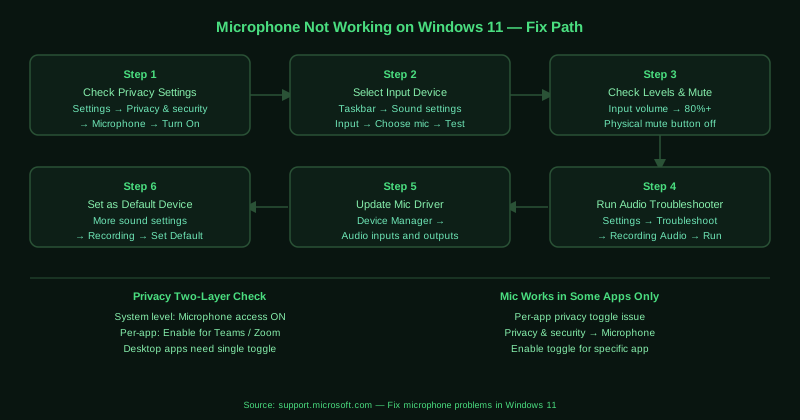
How to fix microphone not working on Windows 11
Work through the steps in order. Step 1 (privacy settings) resolves the majority of app-specific microphone failures.
How to verify the fix
After each step, go to Settings > System > Sound > Input, click your microphone, and click Start test. Speak into the microphone — the input bar should move in response to your voice. Then open the application that was failing and confirm it now receives microphone audio. For calls and meetings, use the application’s own microphone test feature if available.
Known limitations
Microsoft’s microphone troubleshooter and privacy settings do not cover hardware failures. A physically damaged microphone capsule — from moisture, impact, or manufacturing defects — will appear as a valid input device in Windows and pass all software tests while recording only silence or distorted audio. If the microphone passes Windows diagnostics but produces no audio, test it on another computer to confirm whether the hardware is functional.