Zoom audio not working — whether no sound plays at all, your microphone is silent to others, or audio cuts in and out — is almost always caused by the wrong audio device being selected in Zoom or by Windows blocking Zoom’s access to your audio hardware. According to Zoom’s official audio troubleshooting documentation, running the speaker and microphone test inside Zoom’s Settings resolves the majority of audio failures in under two minutes.
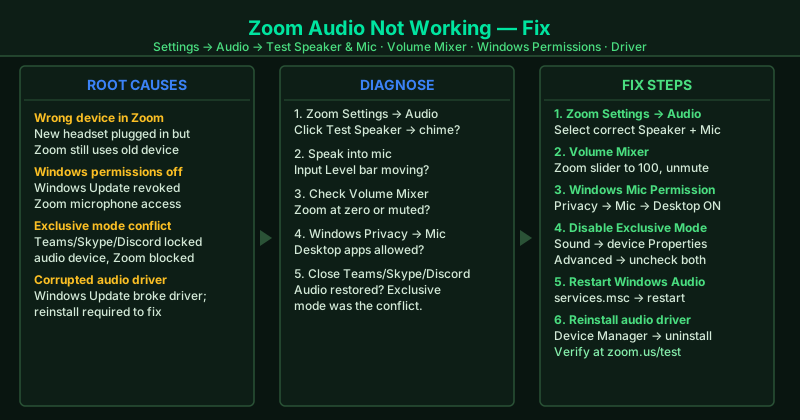
What causes Zoom audio to stop working
Wrong device selected in Zoom — When you plug in new headphones, a USB headset, or a Bluetooth device, Windows may change the default audio device while Zoom continues using the previously selected device. Zoom does not automatically switch — you must select the new device manually inside Zoom’s audio settings.
Windows audio permissions blocked — A Windows Update or privacy setting change can revoke Zoom’s microphone access without notification. When this happens, Zoom can play speaker audio but the microphone bar shows no input, and other participants cannot hear you.
Exclusive mode conflict — Communication apps including Microsoft Teams, Skype, Discord, and some game launchers request exclusive control of the audio device. When they hold exclusive mode, Zoom cannot access the same device simultaneously.
Windows Audio service failure — The Windows Audio and Windows Audio Endpoint Builder services can enter an error state after a driver update, a sleep/wake cycle, or a USB device change. When either service fails, all audio on the computer stops working — not just Zoom.
Outdated or corrupted audio driver — Audio drivers occasionally become corrupted after Windows Updates. A corrupted driver causes audio to fail in ways that cannot be resolved by changing settings — reinstalling the driver is required.
How to fix Zoom audio not working
Work through the steps in order. Step 1 takes under two minutes and identifies whether the problem is inside Zoom or in Windows.
How to verify the fix
After completing a step, open Zoom Settings > Audio and run the Speaker Test and Microphone Test. The speaker test should play a chime through your selected output device. The microphone level bar should move when you speak. If both tests pass, join a test meeting at zoom.us/test to confirm audio works end-to-end in a live session.
Frequently Asked Questions
Zoom audio is not working but my headphones work fine in other apps.
When audio works in other apps but not in Zoom specifically, the problem is Zoom's device selection or permissions — not the audio hardware. Open Zoom Settings > Audio and confirm the correct speaker and microphone are selected. Also check Windows Privacy settings to confirm Zoom has microphone access. If Zoom previously worked and stopped, an exclusive mode conflict with another communication app (Teams, Skype, Discord) may have taken control of your audio device.
Zoom audio cuts out every few seconds during a meeting.
Intermittent audio dropout during a meeting is caused by one of three things: a USB audio device losing power (try a different USB port), an audio driver entering a low-power state (disable audio enhancements in the device's Advanced properties), or a Bluetooth headset with a weak connection. If using Bluetooth, move closer to the Bluetooth transmitter or switch to a wired connection.
My Zoom audio worked yesterday but stopped working today.
The most common trigger for sudden Zoom audio failure is a Windows Update that reset audio permissions, updated a driver, or changed the default audio device. Check Windows Privacy > Microphone settings to confirm Zoom still has access. Also check Device Manager to confirm your audio device does not show a yellow warning icon indicating a driver problem. Reinstalling the audio driver (Step 6) resolves most post-update failures.
Zoom shows 'Join Audio' but clicking it does nothing.
'Join Audio' appears when Zoom has not yet connected to any audio device in the current session. Click it and select 'Computer Audio.' If clicking produces no result, Zoom cannot access your system audio — check Windows Privacy > Microphone permissions and confirm no other application has exclusive control of the audio device. Restarting Zoom and clicking Join Audio again usually resolves this.
Can I use Zoom without audio on my computer?
Yes. When joining a meeting, Zoom shows an option to join without audio at the bottom of the audio selection screen. This is useful when your audio is broken and you need to participate via chat, or when you are in a shared space and prefer to use your phone for audio. On the phone, dial the meeting's dial-in number shown in the Zoom invite and enter the meeting ID.